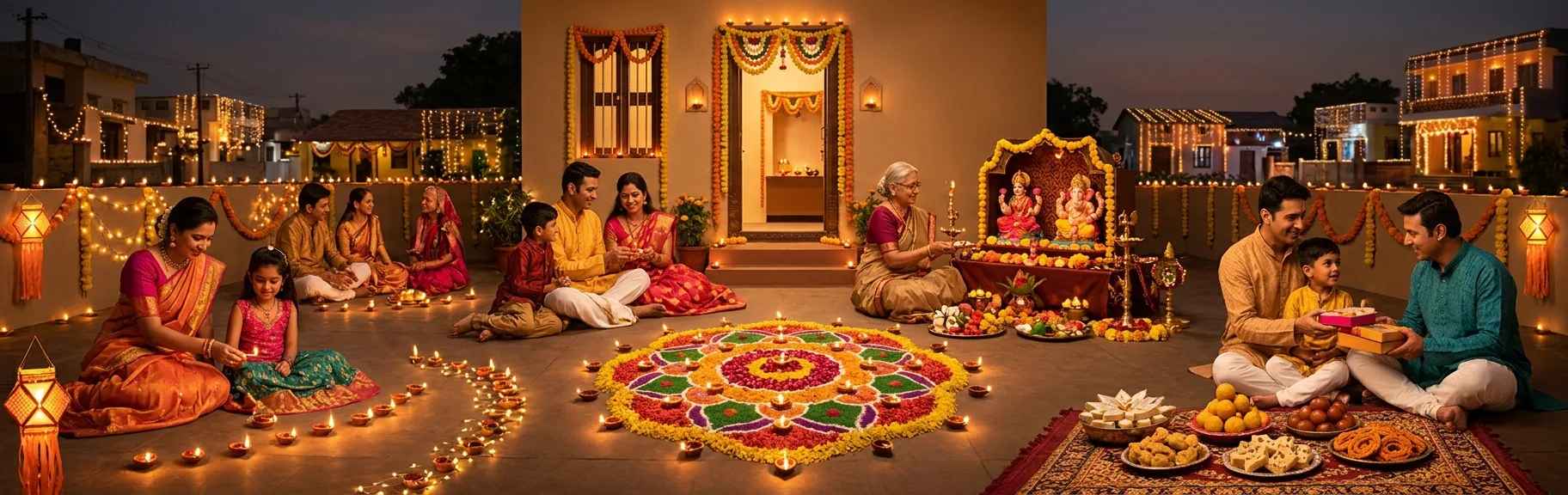
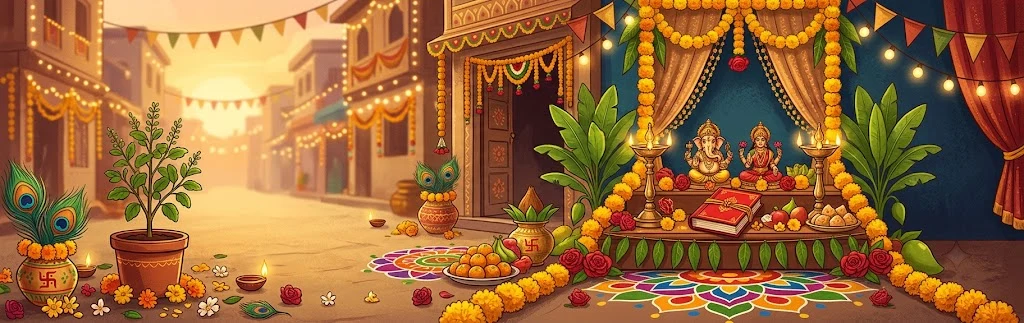
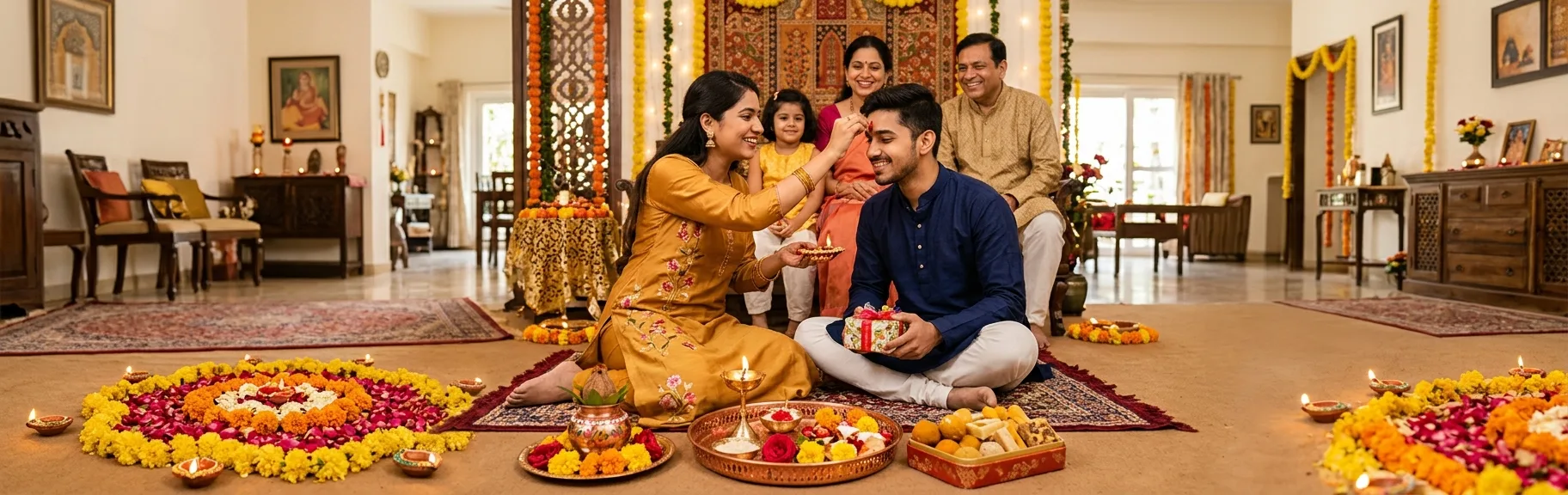
Diwali, also known as Deepavali, is one of the most beautiful and widely celebrated festivals in India. Popularly called the Festival of Lights, Diwali represents the victory of light over darkness, good over evil, and knowledge over ignorance. Every year, millions of people celebrate this special occasion by decorating their homes with glowing diyas, creating colorful rangoli designs, exchanging gifts, preparing traditional sweets, and spending quality time with their families.
The Diwali festival holds deep religious, cultural, and spiritual significance. It brings families and communities together while encouraging happiness, gratitude, prosperity, and new beginnings.
In 2026, Diwali will be celebrated on Sunday, November 8, with traditional festivities taking place across several days. Whether you are exploring the history of Diwali, learning about its religious importance, or searching for meaningful ways to celebrate, this guide covers the essential aspects of this remarkable Indian festival.
What Is Diwali and Why Is It Celebrated?
Diwali is an ancient Indian festival celebrated by Hindus, Jains, Sikhs, and some Buddhist communities, although its religious meanings and traditions differ.
The word "Deepavali" originates from Sanskrit and means "a row of lights." The festival is traditionally associated with lighting oil lamps, which symbolize hope, wisdom, positivity, and the removal of darkness.
For many Hindu communities, Diwali commemorates the return of Lord Rama to Ayodhya after defeating Ravana. It is also associated with Goddess Lakshmi, the deity of wealth and prosperity, and Lord Ganesha, who symbolizes wisdom and auspicious beginnings.
Beyond religious beliefs, Diwali is an occasion to strengthen relationships, express gratitude, help people in need, and welcome positive changes into life.
History and Origin of Diwali
The history of Diwali is deeply connected with Indian mythology, ancient traditions, and spiritual teachings. Different regions and religious communities associate the festival with different historical and sacred events.
1. Return of Lord Rama to Ayodhya
According to the Ramayana, Lord Rama returned to Ayodhya with Goddess Sita and Lakshmana after completing fourteen years of exile and defeating the demon king Ravana.
The people of Ayodhya welcomed them by lighting rows of oil lamps, symbolizing the triumph of righteousness over evil. This story remains one of the most widely recognized explanations of Diwali.
2. Worship of Goddess Lakshmi
Diwali is closely associated with Goddess Lakshmi, who represents wealth, prosperity, good fortune, and abundance.
Many families clean and decorate their homes before performing Lakshmi Puja, believing that a welcoming and peaceful environment brings positive energy and prosperity.
3. Lord Krishna and Narakasura
In several parts of India, particularly southern regions, Diwali celebrations commemorate Lord Krishna's victory over Narakasura.
This tradition represents the destruction of evil and the restoration of justice, happiness, and peace.
4. Diwali in Jainism and Sikhism
For Jains, Diwali marks the attainment of nirvana by Lord Mahavira, the twenty-fourth Tirthankara. The occasion encourages spiritual reflection, nonviolence, and self-discipline.
For Sikhs, the Diwali period is associated with Bandi Chhor Divas, commemorating the release of Guru Hargobind Sahib from imprisonment. It is celebrated with prayers, illuminated gurdwaras, and community gatherings.
These diverse traditions demonstrate how Diwali connects people through shared values of freedom, wisdom, hope, and spiritual renewal.
When Is Diwali in 2026?
Diwali 2026 falls on Sunday, November 8, 2026, with the main Lakshmi Puja celebration taking place on the Amavasya of the Hindu lunar month of Kartik.
The festival date changes each year because it follows the traditional Hindu lunisolar calendar rather than a fixed Gregorian date.
Diwali celebrations generally extend across five days, although the exact observances and dates vary by region and religious tradition.
Families often prepare for the festival weeks in advance by cleaning their homes, shopping for festive clothing, purchasing gifts, decorating their surroundings, and preparing traditional foods.
The Five Days of Diwali and Their Significance
The five days of Diwali each have their own cultural and spiritual significance.
Day 1: Dhanteras – Welcoming Prosperity
Dhanteras marks the beginning of the traditional Diwali festivities in many regions.
On this day, people worship Lord Dhanvantari and Goddess Lakshmi. Many families purchase gold, silver, utensils, or other useful items as symbols of prosperity and auspicious beginnings.
Homes and businesses are cleaned, decorated, and illuminated to welcome the festive season.
Day 2: Naraka Chaturdashi – Choti Diwali
Naraka Chaturdashi, commonly known as Choti Diwali in many regions, commemorates the victory over Narakasura.
People wake up early, take traditional oil baths in some communities, decorate their homes, and light diyas.
The day symbolizes the removal of negativity and the importance of purity, courage, and righteousness.
Day 3: Diwali – Lakshmi Puja and Festival of Lights
The main Diwali celebration is widely associated with Lakshmi Puja.
Families decorate their homes with oil lamps, candles, flowers, and colorful rangoli patterns. Many devotees perform prayers dedicated to Goddess Lakshmi and Lord Ganesha.
Relatives exchange sweets and gifts, share festive meals, and enjoy the joyful atmosphere.
The illumination of homes represents hope, happiness, and the triumph of light over darkness.
Day 4: Govardhan Puja and Annakut
Govardhan Puja celebrates Lord Krishna's protection of the people of Gokul, according to Hindu tradition.
Devotees prepare special offerings of food, known as Annakut, and express gratitude for nature, nourishment, and divine protection.
In Gujarat, the period following Diwali is also associated with the Gujarati New Year, a time for fresh beginnings, family visits, and business greetings.
Day 5: Bhai Dooj – Celebrating Sibling Relationships
Bhai Dooj celebrates the special bond between brothers and sisters.
Traditionally, sisters pray for their brothers' well-being and happiness, while families exchange gifts and enjoy meals together.
The celebration highlights love, care, mutual respect, and the importance of family relationships.
How Is Diwali Celebrated in India?
Diwali celebrations in India include a wonderful combination of religious rituals, cultural activities, traditional food, and family gatherings.
Decorating Homes with Diyas and Lights
Lighting earthen lamps is one of the most recognizable Diwali traditions. Homes, temples, balconies, and public spaces are decorated with diyas and decorative lights.
The glowing lamps symbolize wisdom, peace, and the removal of darkness.
Creating Beautiful Rangoli Designs
Rangoli is a traditional decorative art created near home entrances using colored powders, flower petals, rice, and other materials.
Beautiful rangoli patterns are considered welcoming and auspicious, adding color and elegance to Diwali celebrations.
Lakshmi Puja is an important religious ceremony performed by many Hindu families during Diwali.
Devotees offer flowers, sweets, fruits, and prayers to Goddess Lakshmi and Lord Ganesha, seeking blessings for prosperity, wisdom, and harmony.
Exchanging Diwali Gifts and Sweets
Giving gifts is a meaningful part of the Diwali festival.
Families and friends exchange sweets, dry fruits, chocolates, clothing, and thoughtful presents to express affection and appreciation.
Popular traditional Diwali sweets include ladoo, kaju katli, barfi, gulab jamun, and soan papdi.
Wearing Traditional Indian Clothing
Many people celebrate Diwali by wearing new or festive clothing, including sarees, lehengas, kurtas, and traditional ethnic outfits.
Festive clothing reflects the joy, elegance, and cultural richness of Indian celebrations.
Diwali Celebrations Across Different States of India
Although Diwali is celebrated throughout India, regional customs make the festival particularly diverse.
Diwali in Gujarat
In Gujarat, Diwali is closely connected with business traditions, family gatherings, and the Gujarati New Year.
Many business owners perform Chopda Pujan, a traditional ceremony associated with accounting books and business prosperity.
Homes are decorated with colorful rangoli, diyas, and festive lights.
Diwali in Maharashtra
Maharashtra celebrates Diwali with traditional snacks and sweets collectively known as Diwali Faral.
Popular preparations include chakli, chivda, shankarpali, and ladoo. Families also observe customs associated with Abhyanga Snan and festive prayers.
Diwali in North India
In states such as Uttar Pradesh, Rajasthan, and Delhi, Diwali is strongly associated with Lord Rama's return to Ayodhya.
Homes, temples, and marketplaces are illuminated, and families gather for Lakshmi Puja and festive meals.
Diwali in South India
In several southern states, Naraka Chaturdashi is an important part of Diwali celebrations.
Traditional early-morning oil baths, new clothing, special foods, and family prayers are common customs.
Diwali in West Bengal
In West Bengal, the Diwali period is especially associated with Kali Puja, dedicated to Goddess Kali.
Devotees decorate temples and homes with lights while participating in prayers and community celebrations.
Eco-Friendly Diwali Celebration Ideas
As environmental awareness grows, many families are choosing to celebrate an eco-friendly Diwali while preserving traditional customs.
Here are some meaningful ways to enjoy a sustainable festival:
Choose traditional clay diyas: Use reusable or biodegradable earthen lamps instead of excessive disposable decorations.
Create natural rangoli: Decorate entrances with flower petals, rice flour, and natural colors.
Reduce firecracker pollution: Choose quieter celebrations that protect air quality, animals, and community well-being.
Use energy-efficient lights: Select LED lighting and switch off decorations when they are not needed.
Give sustainable gifts: Consider reusable products, plants, handmade items, or locally produced gifts.
Avoid food waste: Prepare festive meals thoughtfully and share surplus food safely with others.
Support local artisans: Purchase traditional diyas, decorations, and handmade products from local businesses.
Celebrating responsibly allows families to enjoy the beauty of Diwali while respecting the environment.
Best Diwali Decoration Ideas for Home
Decorating the home is one of the most enjoyable parts of Diwali preparation.
Traditional Diya Decoration
Arrange clay diyas near doorways, windows, balconies, and prayer spaces to create a warm and welcoming atmosphere.
Floral Decorations
Fresh marigold garlands, flower arrangements, and decorative torans add natural beauty to festive interiors.
Creative Rangoli Patterns
Design colorful rangoli patterns featuring flowers, geometric shapes, peacocks, or traditional symbols.
Festive Lighting
Use warm LED string lights around entrances, balconies, and indoor spaces to create a cheerful festive atmosphere.
Beautiful Puja Corner
Create a clean and peaceful prayer space with flowers, lamps, and traditional decorations for Lakshmi Puja.
Popular Traditional Foods and Sweets Prepared During Diwali
Food plays an important role in bringing families together during Diwali.
Some popular festive dishes include:
Kaju Katli: A rich Indian sweet prepared with cashews and sugar.
Besan Ladoo: A traditional sweet made with roasted gram flour, ghee, and sugar.
Gulab Jamun: Soft, syrup-soaked sweets enjoyed during celebrations.
Chakli: A crispy, savory snack popular during the festive season.
Shankarpali: A crunchy snack available in sweet and savory variations.
Mathri: A traditional savory snack often served with tea.
Barfi: A popular Indian sweet prepared in several flavors and varieties.
Preparing and sharing these festive foods strengthens family bonds and keeps culinary traditions alive.
Happy Diwali Wishes and Messages for 2026
Sharing heartfelt greetings is a wonderful way to celebrate Diwali with friends, family, colleagues, and loved ones.
Traditional Diwali Wish:
"May the divine light of Diwali bring happiness, prosperity, good health, and peace into your life. Wishing you and your family a very Happy Diwali 2026!"
Diwali Wishes for Family:
"May this beautiful festival fill our home with love, laughter, positivity, and countless blessings. Happy Diwali to our wonderful family!"
Professional Diwali Greetings:
"Wishing you a prosperous and joyful Diwali. May this festive season bring new opportunities, continued success, and meaningful achievements."
Short Diwali Message:
"Let the light of Diwali brighten your heart and fill your life with happiness. Happy Diwali!"
Spiritual and Cultural Importance of Diwali
The significance of Diwali extends beyond decorative lights, sweets, and festive gatherings.
At its heart, Diwali encourages individuals to reflect on their actions, embrace positive values, and develop meaningful relationships.
The festival teaches important lessons about kindness, honesty, forgiveness, gratitude, and generosity.
Lighting a diya can be understood as a reminder to replace ignorance with knowledge, negativity with optimism, and conflict with understanding.
Diwali also strengthens cultural identity by passing traditional customs, stories, and values from one generation to the next.
Frequently Asked Questions About Diwali
1. What is Diwali?
Diwali, also known as Deepavali, is an important Indian festival celebrated with lights, prayers, decorations, sweets, and family gatherings. It symbolizes the victory of light over darkness and good over evil.
2. When is Diwali in 2026?
The main Diwali festival will be celebrated on Sunday, November 8, 2026, in India. Regional observances and associated festival dates may vary.
3. Why is Diwali called the Festival of Lights?
Diwali is called the Festival of Lights because people traditionally illuminate their homes and surroundings with diyas, candles, and decorative lights to symbolize hope, positivity, and spiritual enlightenment.
4. What are the five days of Diwali?
The five traditional celebrations commonly associated with Diwali are Dhanteras, Naraka Chaturdashi, Lakshmi Puja, Govardhan Puja, and Bhai Dooj. Their observance varies across regions.
5. Why is Goddess Lakshmi worshipped on Diwali?
Goddess Lakshmi is worshipped during Diwali because she represents prosperity, wealth, good fortune, and abundance. Devotees seek blessings for a peaceful and prosperous life.
6. How can we celebrate an eco-friendly Diwali?
You can celebrate an eco-friendly Diwali by using clay diyas, natural rangoli materials, reusable decorations, energy-efficient lights, sustainable gifts, and avoiding unnecessary firecracker pollution.
7. What are the most popular Diwali sweets?
Popular Diwali sweets include kaju katli, ladoo, barfi, gulab jamun, soan papdi, and several traditional regional specialties.
8. Is Diwali celebrated outside India?
Yes. Diwali is celebrated in many countries, including Nepal, Mauritius, Singapore, Malaysia, the United Kingdom, the United States, Canada, and Australia, particularly among communities with Indian cultural and religious connections.
Conclusion: Celebrate Diwali 2026 with Happiness, Light, and Positivity
Diwali 2026 is a wonderful opportunity to celebrate cultural traditions, strengthen relationships, and welcome happiness and prosperity into our lives.
From the historical significance of Lord Rama's return to Ayodhya to the spiritual importance of Lakshmi Puja, Diwali carries meaningful lessons about goodness, wisdom, gratitude, and new beginnings.
Whether you celebrate by lighting traditional diyas, decorating your home, preparing festive sweets, exchanging thoughtful gifts, or spending time with loved ones, the true beauty of Diwali lies in spreading kindness and joy.
This year, make your Diwali celebration even more meaningful by embracing sustainable traditions, supporting local communities, and sharing happiness with others.
Wishing you and your family a very Happy Diwali 2026! May the Festival of Lights bring endless joy, peace, success, and prosperity to your life.