Crawl space flooding can cause significant damage to your home’s HVAC system, leading to potential health hazards, reduced efficiency, and costly repairs if not addressed promptly. After water intrusion, it’s crucial to have a thorough inspection to ensure your heating and cooling equipment is safe and operational. Moisture can lead to mold growth, electrical issues, and corrosion, all of which can compromise the integrity of your HVAC system. Understanding what an inspection should cover helps homeowners make informed decisions and protect their investment. A comprehensive approach ensures that all potential problems are identified and resolved before they escalate.
Key steps in a post-flood HVAC inspection
Assessing Water Damage to HVAC Components
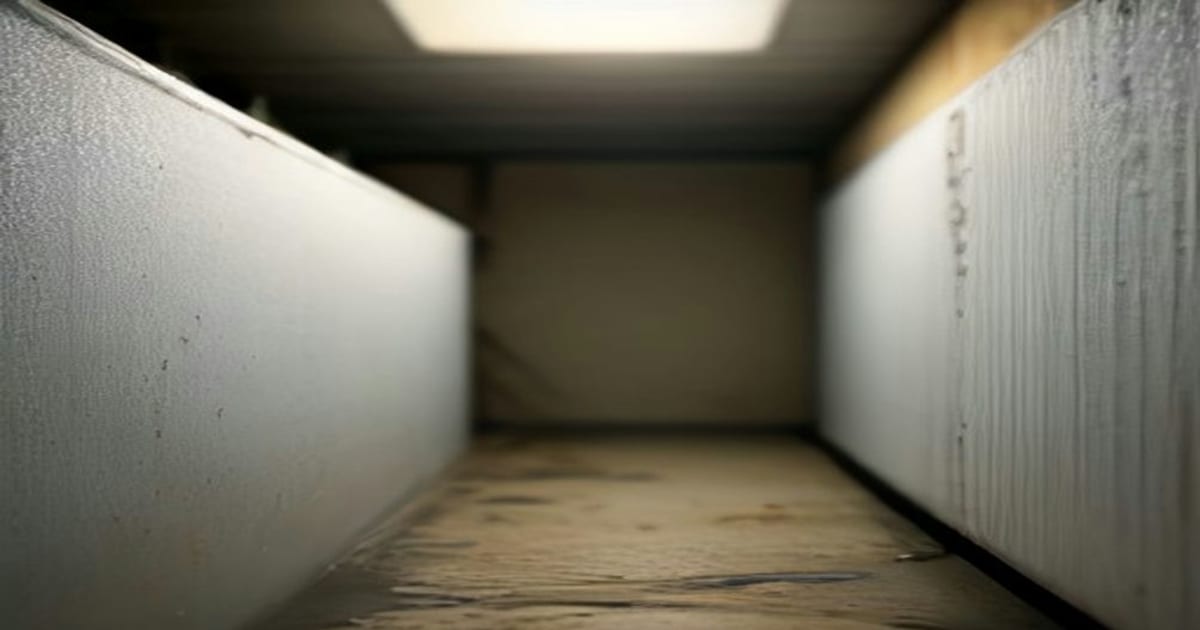
When a crawl space floods, the first priority is to determine the extent of water exposure to the HVAC system. Inspectors will look for visible signs of water damage on furnaces, air handlers, ductwork, and any electrical components located in or near the crawl space. Water can seep into sensitive areas, causing rust, corrosion, and short circuits. The inspector will check for standing water, damp insulation, and any debris that may have entered the system. They will also evaluate whether water has reached the blower motor, control boards, or other critical parts. If water has infiltrated these areas, it can compromise the safety and functionality of the entire system. The inspection should also include a review of the system’s operational status, ensuring that it powers on and runs without unusual noises or odors. Any signs of malfunction or irregular operation may indicate hidden damage that requires immediate attention. This initial assessment sets the stage for a more detailed evaluation of the system’s condition and helps determine the necessary steps for remediation.
Inspecting for Mold and Air Quality Issues
Flooding in the crawl space creates an ideal environment for mold growth, which can quickly spread through the HVAC system and into the living areas of your home. Inspectors will carefully examine ductwork, vents, and air filters for visible mold, mildew, or musty odors. Mold spores can be distributed throughout the house whenever the system operates, posing health risks to occupants, especially those with allergies or respiratory conditions. The inspection should include air quality testing to detect elevated levels of mold or other contaminants. If mold is found, the inspector will recommend cleaning or replacing affected components and may suggest professional remediation services. In addition to mold, inspectors will look for signs of bacterial growth or pest infestations that can occur after flooding. Ensuring that the system is free from contaminants is essential for maintaining healthy indoor air quality. Homeowners in the area often rely on a HVAC contractor in Swannanoa to perform these inspections and address any issues that arise after a flood. Proper cleaning and disinfection of the system are critical steps in restoring safe and comfortable living conditions.
Evaluating Electrical and Mechanical Safety
After crawl space flooding, the electrical and mechanical safety of the HVAC system becomes a top concern. Water exposure can damage wiring, circuit boards, and electrical connections, increasing the risk of shorts, fires, or system failure. Inspectors will check all accessible wiring for signs of corrosion, fraying, or discoloration, which may indicate water damage. They will also test safety switches, relays, and other control devices to ensure they function correctly. Mechanical components such as motors, fans, and compressors are also vulnerable to water intrusion. The inspector will listen for unusual sounds, check for excessive vibration, and verify that moving parts operate smoothly. Any evidence of rust or mineral deposits on mechanical parts suggests that water has penetrated the system and may have caused internal damage. If electrical or mechanical issues are detected, the inspector will recommend repairs or replacement of affected components to prevent further problems. Ensuring the safety of the HVAC system is essential before returning it to regular use, as undetected damage can lead to more severe failures or hazards in the future.
Checking Ductwork and Insulation
Ductwork and insulation in the crawl space are particularly susceptible to water damage during flooding events. Inspectors will examine all accessible ducts for signs of moisture, rust, or mold growth. Wet insulation can lose its effectiveness, leading to energy loss and higher utility bills. Damaged or saturated insulation may also harbor mold or bacteria, which can be distributed throughout the home via the HVAC system. The inspector will check for gaps, loose connections, or collapsed sections of ductwork that may have resulted from water pressure or debris. Any compromised ductwork should be repaired or replaced to restore proper airflow and prevent contamination. The inspection will also include a review of vapor barriers and drainage systems in the crawl space to ensure that future flooding is less likely to impact the HVAC system. Addressing issues with ductwork and insulation is a crucial part of the inspection process, as these components play a significant role in maintaining indoor comfort and air quality.
Importance of Timely HVAC Inspections
Prompt HVAC inspections after crawl space flooding are vital for preventing long-term damage and ensuring the safety of your home. Delaying an inspection can allow hidden problems to worsen, leading to more extensive repairs and higher costs. Early detection of water damage, mold, or electrical issues enables homeowners to take corrective action before the system fails or poses health risks. Regular inspections also help maintain the efficiency and longevity of your HVAC equipment, reducing the likelihood of unexpected breakdowns. By addressing problems quickly, you can restore comfort and peace of mind for your family.
Conclusion
A thorough HVAC inspection after crawl space flooding is essential for safeguarding your home’s comfort, safety, and air quality. Inspectors will assess water damage, check for mold and contaminants, evaluate electrical and mechanical safety, and examine ductwork and insulation for signs of compromise. Timely inspections help identify and resolve issues before they escalate, protecting your investment and ensuring a healthy living environment. Homeowners should prioritize professional inspections whenever flooding occurs in the crawl space, as this proactive approach can prevent costly repairs and maintain the reliability of your heating and cooling system for years to come.